


Pixel 11 Price Hike Confirmed: Google Blames the Global Memory Crisis, But We’re All Paying for AI’s Appetite
Google’s VP of Devices and Services just ripped off the Band-Aid. The Pixel 11 is getting a price bump—and this time, the culprit isn’t a new titanium frame or a fancier camera sensor. It’s a “severe, supplier-driven RAM memory crisis.” We’ve heard this tune before, but the macabre twist is that the RAM Memory shortage is very real, and it’s about to make every flagship Android phone more expensive. The real question isn’t whether Google is passing the buck; it’s whether we’re willing to keep paying the premium tax while the AI industry hoovers up every last DRAM chip.
The Memory Crisis: Why Memory Costs Are Skyrocketing
The memory market is brutal right now. If you’ve been tracking SSD and DRAM spot prices over the last six months, you already know the trend is vertical—and it’s not stopping. The primary takeaway is that the explosion of AI infrastructure demand is consuming silicon wafers and advanced packaging capacity at a scale that makes smartphone memory an afterthought for fabs. Google’s admission simply confirms what the supply chain has been whispering: LPDDR5X and upcoming LPDDR6 modules are in critically short supply, and OEMs are fighting over scraps.
AI Infrastructure Is Devouring DRAM Supply
Data center GPUs like NVIDIA’s H200 and AMD’s MI300X need absurd amounts of high-bandwidth memory. A single GH200 superchip can pack 141GB of HBM3e, and hyperscalers are ordering these by the rack. That demand pulls the same advanced DRAM manufacturing capacity away from the mobile LPDDR market. Memory fabs can’t just flip a switch; they allocate wafer starts months in advance. The result: smartphone OEMs are now bidding against cloud giants for a shrinking pool of memory dies, and the cost per gigabyte is spiking. This isn’t a temporary blip—it’s a structural shift that will keep pressure on prices through 2025.
Huawei’s DIY DRAM Fab Could Reshape the Market—Eventually
While Google and Qualcomm are wringing their hands, Huawei is quietly building its own DRAM fabrication facility. That’s not a rumor from a Telegram channel; it’s a strategic move to decouple from the global supply chain that’s been weaponized against it. If Huawei can produce competitive LPDDR memory at scale, it could flood the market with supply and undercut the current oligopoly. The real-world implication is a potential price ceiling for mobile RAM—but that’s a 2026 story. For the Pixel 11 and every other 2025 flagship, Huawei’s fab is a mirage that arrives too late to save our wallets.
Qualcomm Joins the Price Hike Party
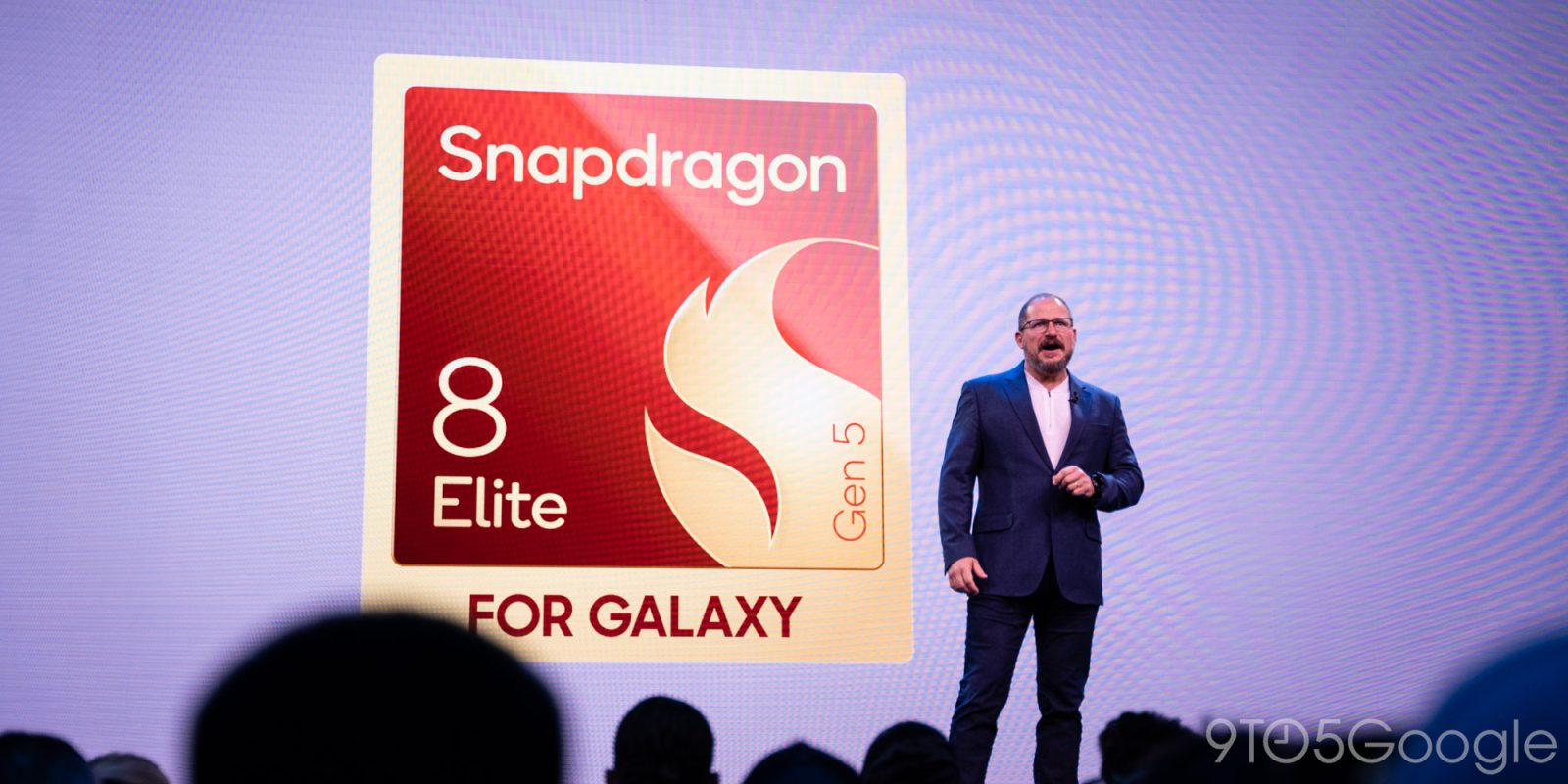
If you thought the RAM or Memory crisis was the only villain, Qualcomm just handed Google another invoice. The Snapdragon 8 Gen 4—which many Android flagships will rely on—is reportedly getting a significant price hike. Qualcomm is passing along the rising costs of TSMC’s N3E node and its own custom Oryon CPU cores. The combination of costlier silicon and pricier memory creates a perfect storm. Google uses its own Tensor chip for the Pixel 11, but that SoC still depends on the same TSMC N3E process and, crucially, the same constrained memory supply. The main difference between the Pixel and a Galaxy S25 Ultra is the branding on the chip, not the economic headwinds.
Here’s the brutal math in a list, because it deserves to be stark:
- RAM module cost increase: 20–30% year-over-year for high-density LPDDR5X packages.
- Snapdragon 8 Gen 4 price hike: Estimated $30–$50 per unit over the 8 Gen 3.
- TSMC wafer pricing: 3nm wafers now exceed $20,000, up from $16,000 for 5nm.
- Total BOM impact: A fully loaded flagship could see a $70–$100 bill of materials jump.
That’s not corporate greed—it’s the new cost floor. And it’s why the Pixel 11’s price tag will test our loyalty.
The Pixel 11’s Premium Gamble: Will We Pay Up?
Google is positioning the Pixel 11 as a premium device, but the company’s track record with pricing is shaky. The Pixel 6 undercut the market at $599; the Pixel 8 Pro crept up to $999. The Pixel 11 is rumored to break the $1,000 barrier for the base model, and that’s a psychological threshold we’ve only accepted from Apple and Samsung. The cynical optimist in me sees the logic: Tensor G6 on TSMC 3nm, a much-improved modem, and finally competitive battery life could justify the cost. But Google’s software magic—Call Screen, Now Playing, the Pixel-exclusive AI features—has always been the value proposition, not the spec sheet. If the price climbs too high, the Pixel risks becoming just another expensive Android phone that we compare unfavorably to a Galaxy S25.
Consumer willingness to pay is the wildcard. We’ve stomached inflation on groceries and rent, but a $1,099 Pixel 11 when a perfectly good Pixel 9 Pro is still getting updates? That’s a tough sell. Google’s bet is that the AI-powered experiences—think on-device Gemini Nano with more RAM to play with—will make the price sting feel like an investment. I’m not convinced. The community’s relationship with Google hardware has always been “great value, some rough edges.” Remove the value part, and those edges get a lot sharper.
Frequently Asked Questions
Why is the Pixel 11 price increasing?
The Pixel 11’s price hike stems from a global RAM memory shortage driven by AI infrastructure demand, plus rising chipset costs. Google confirmed a “supplier-driven RAM memory crisis,” which forces higher bill-of-materials costs that the company is passing to consumers.
How does the RAM shortage affect other Android phones?
The same memory supply crunch and Qualcomm’s Snapdragon price hikes will push flagship Android prices upward industry-wide. Samsung, OnePlus, and others face identical cost pressures, so expect $1,000+ price tags to become the norm for 2025 premium devices.
Is Huawei’s DRAM fab a solution for future Pixel phones?
Huawei’s in-house DRAM fab could eventually increase global supply and lower memory prices, but production won’t scale until 2026 at the earliest. It won’t affect Pixel 11 pricing, but future Pixel generations might benefit from a more competitive memory market.

DrShortCircuit
I've spent the last eight years deep in the digital trenches, from high-level SEO architecture to building custom PC rigs. State of Android is my corner of the web to break down the mobile ecosystem, cut through the marketing fluff, and look at the actual tech pushing the industry forward.


