


We Finally Got a Wider Galaxy Z Fold 8 Ultra, But Is It Just a COSTLY Lie?
Samsung just dropped the Galaxy Z Fold 8 Ultra, and the tech press is already calling it the start of a “new foldable era.” We’ve heard that before. The spec sheet is a fever dream—a wider cover display, a refined hinge, and a price tag that makes your wallet cry. But here’s the part nobody wants to say out loud: the Ultra might be Samsung’s most polished distraction yet. The question isn’t whether the hardware is impressive. It’s whether Samsung finally fixed the software-jank, battery anxiety, and durability lottery that made owning a Fold feel like a second job. Let’s cut through the launch-day hype and see if the Ultra is the real deal or just the greatest phone lie we’ve been sold since the Note 7.
Why the Wider Cover Display Changes Everything (And Nothing)
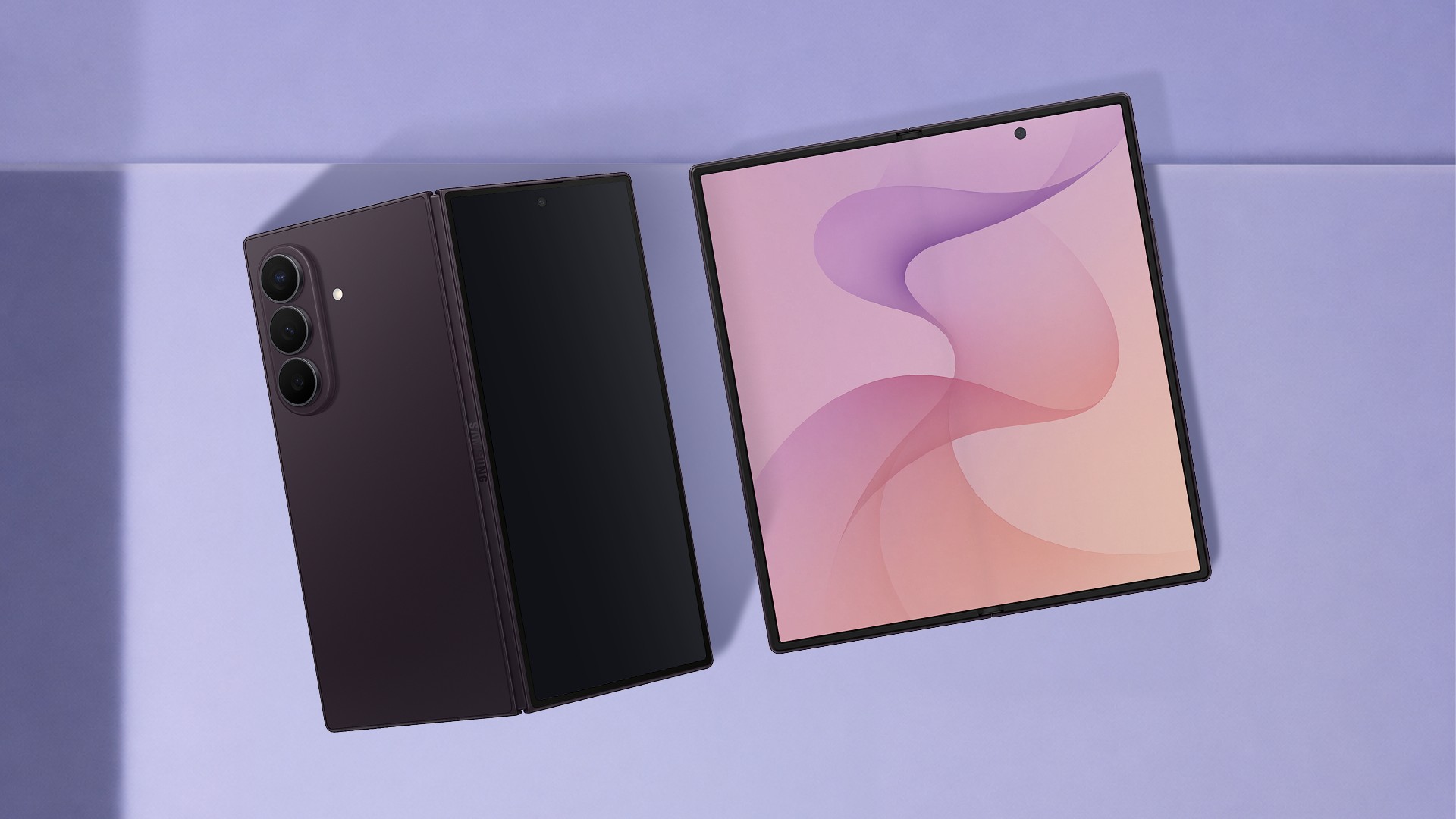
We’ve been screaming into the void for a normal-sized outer screen since the original Fold. The Z Fold 8 Ultra finally delivers. Samsung widened the cover panel to a 6.5-inch 22:9 ratio—essentially a Galaxy S25+ strapped to a tablet. The primary takeaway is immediate: typing on the front screen no longer feels like typing on a TV remote. The keyboard is spacious, apps scale properly, and you won’t have to unfold the phone just to reply to a text. This single change rekindles the excitement that foldables lost when they settled for candy-bar screens that were too narrow to be useful.
But here’s the cynical truth: a wider cover display doesn’t fix the core compromises. The Fold 8 Ultra still weighs 253 grams—lighter than the Fold 6, sure, but still a brick in your pocket. The inner 8-inch foldable panel still has a crease, even if it’s shallower. And Samsung’s One UI software still struggles with app continuity when you transition from cover to main screen. We’ve been burned by “revolutionary” hinge redesigns before, and the real-world implication is that Samsung swapped one ergonomic flaw for another: the Ultra is now harder to reach with one hand on the cover screen. You gain usability, you lose thumb gymnastics.
The “Great Phone Lie” Critics Can’t Ignore
Early reviews are glowing, but a vocal minority of critics are throwing around a phrase that stings: “the great phone lie.” The lie isn’t about specs—it’s about the promise that a $2,100 device can be your no-compromise daily driver. The Fold 8 Ultra packs a Snapdragon 8 Gen 4 for Galaxy, 12GB of RAM, and a triple-camera system that finally rivals the S25 Ultra. On paper, it’s a beast. In practice, you’re still babysitting a flexible OLED that Samsung’s own care guide warns you not to press too hard with a fingernail. The IPX8 rating is great for rain, but dust is still the silent killer of foldables. No IP6X rating means pocket lint is a ticking time bomb.
The main difference between the Fold 8 Ultra and a slab phone like the S25 Ultra comes down to anxiety tax. You’ll constantly worry about the inner screen’s longevity, the battery life split between two displays, and the fact that app developers still treat foldables like an afterthought. Samsung’s marketing will show you a productivity powerhouse; the reality is you’ll spend the first week treating it like a fragile museum piece. That’s the lie—that this is a phone for everyone, when it’s really a phone for enthusiasts willing to trade durability for spectacle.
Pre-Order Deals That Almost Make You Forget the Risk
Samsung knows the sticker shock is brutal, so they’re throwing cash at the problem. The Fold 8 Ultra starts at $2,100, but pre-order deals slash that by up to $1,230 with an eligible trade-in, and you get a free $250 set of Galaxy Buds 4 Pro. That’s a potential net cost of $870 if you’re trading in a Fold 6 or a recent S-series device. The math is aggressive, and it’s designed to make you ignore the durability concerns.
We’ve seen this playbook before: Samsung juices the launch window with trade-in values that evaporate three months later. If you’re on the fence, the pre-order window is the only time the Ultra makes financial sense. After that, you’re paying full freight for a phone that depreciates faster than a luxury sedan.
- Galaxy Z Fold 8 Ultra (512GB): $2,100 — with $1,230 max trade-in credit.
- Galaxy Buds 4 Pro: Free ($250 value) during pre-order.
- Carrier deals: AT&T and Verizon offer up to $1,000 off with new lines.
Samsung’s Ecosystem Distraction: Watches and Credit Cards
Alongside the Z Fold 8 Ultra, Samsung unveiled the Galaxy Watch 9 and Watch Ultra 2, plus the Galaxy Card. It’s a classic ecosystem play—drown the launch in shiny objects so you forget the main product’s flaws. The Watch 9 introduces new AI health modes and a “daily vitality score” that aggregates sleep, heart rate, and activity data into a single metric. It’s genuinely useful, and the Watch Ultra 2 now offers a 100-hour battery mode for outdoor athletes. But let’s be honest: Samsung needed a win in wearables because the Fold’s narrative was getting shaky.
The Galaxy Card, with 5% cash back on Samsung purchases, is a clever fintech hook that locks you deeper into the ecosystem. None of this makes the Fold 8 Ultra a better phone; it just makes leaving Samsung harder.
The real implication is that Samsung is pivoting to a services-and-lifestyle brand while its hardware innovation plateaus. The foldable form factor hasn’t changed meaningfully since the Fold 3—just iterative hinge tweaks and camera bumps. The Watch 9’s AI scores are cool, but they’re software features, not hardware breakthroughs. When a company starts selling credit cards alongside a $2,100 phone, you have to wonder if they’re compensating for something.
Who Should Actually Buy the Galaxy Z Fold 8 Ultra?
If you’re a foldable veteran who’s already comfortable with the trade-offs, the Z Fold 8 Ultra is the best iteration yet. The wider cover screen alone is worth the upgrade if you’ve been suffering through cramped typing. The camera system finally closes the gap with Samsung’s non-folding flagships, and the Snapdragon 8 Gen 4 chews through multitasking without breaking a sweat. But if you’re a first-time foldable buyer, the “great phone lie” is real. You’ll be paying a premium for a device that demands you change your habits, baby the hardware, and accept that some apps will look broken for months until developers catch up.
The cynical optimist in us says wait. Wait for the inevitable mid-year price drop. Wait for the dust-resistant Fold 9. Wait until Samsung proves it can support this thing with software updates that actually leverage the dual-screen real estate instead of just scaling phone apps. The Fold 8 Ultra is a beautiful piece of engineering, but it’s still a beta product dressed in a tuxedo.
Frequently Asked Questions
Is the Galaxy Z Fold 8 Ultra worth the $2,100 price?
Only if you maximize pre-order trade-in deals and accept the durability compromises. The wider cover display and upgraded cameras are significant, but the lack of dust resistance and app optimization issues mean it’s not a true no-compromise flagship for most users.
What are the best pre-order deals for the Fold 8 Ultra?
Samsung offers up to $1,230 off with eligible trade-ins, plus a free pair of Galaxy Buds 4 Pro ($250 value). Carrier deals from AT&T and Verizon can add another $1,000 in bill credits with new lines, potentially bringing the net cost under $900.
How does the Z Fold 8 Ultra compare to the standard Galaxy Z Fold 8?
The Ultra gets a larger 6.5-inch cover display with a wider aspect ratio, a 200MP main camera (vs 50MP on the standard Fold 8), and a slightly larger vapor chamber cooling system. Both share the same Snapdragon 8 Gen 4 chip and inner 8-inch screen, but the Ultra’s camera and ergonomic upgrades justify the premium for heavy multitaskers.

DrShortCircuit
I've spent the last eight years deep in the digital trenches, from high-level SEO architecture to building custom PC rigs. State of Android is my corner of the web to break down the mobile ecosystem, cut through the marketing fluff, and look at the actual tech pushing the industry forward.


