


Why LHDC v5 Matters: The LDAC Challenger Finally Goes Native
We’ve been living with LDAC’s monopoly on high‑res Bluetooth audio for years—and honestly, the Sony tax and flaky adaptive bitrate switching have grown old. Android 17 finally tears down that wall by baking LHDC v5 directly into the Pixel Bluetooth stack. It’s not just a codec checkbox. This is a strategic move to open the entire hi‑res wireless ecosystem to a wave of affordable, high‑quality earbuds from Xiaomi, Oppo, Huawei, and others that previously felt like second‑class citizens on our Pixels.
The real‑world implication is immediate: you no longer need Sony‑branded headphones to unlock 24‑bit/96kHz audio over Bluetooth. LHDC v5 (Low Latency High‑Definition Audio Codec, version 5) competitors LDAC by matching or beating its core specs while adding lower latency and broader hardware support. For an audiophile community that’s been begging Google to treat wireless audio seriously, this is a massive win—one that closes the gap between Pixel and dedicated DAPs without a dongle.
LHDC v5 vs LDAC vs aptX Adaptive: The Numbers Don’t Lie
The primary takeaway is that LHDC v5 brings near‑lossless streaming to non‑Sony hardware. But the details matter. Here’s how the key players stack up:
| Codec | Maximum Bitrate | Max Sample Rate | Target Latency | Hardware Ecosystem |
|---|---|---|---|---|
| LHDC v5 | 1 Mbps (adaptive) | 24‑bit / 96 kHz | ~30 ms | Xiaomi, Oppo, Huawei, Realme, and now Pixel native |
| LDAC | 990 kbps (adaptive) | 24‑bit / 96 kHz | ~70 ms (quality mode) | Sony, and a handful of licensed headphones |
| aptX Adaptive | 420 kbps | 24‑bit / 48 kHz | ~50 ms | Qualcomm‑powered devices, many TWS buds |
The main difference between LHDC v5 and LDAC comes down to latency and device freedom. Both push hi‑res audio, but LHDC v5’s adaptive bitrate scales from 320kbps up to 1Mbps with less glitching when you hit a crowded RF environment—something we’ve cursed with LDAC’s 990/660‑kbps hopping. Pair that with sub‑30ms low‑latency modes, and you finally have a wireless codec that doesn’t punish gamers or movie watchers with sync drift.
What Else Is Hiding in Android 17’s Audio Stack?
LHDC v5 steals the headline, but Google has slipped a broader set of hidden audio tweaks into Android 17 that will make even your average Spotify stream sound cleaner. The Bluetooth stack gets a quiet but critical forklift. We’re seeing granular codec negotiation that no longer blindly defaults to SBC when a paired device stumbles—Android 17 now dynamically reconnects at the highest mutually supported codec after a hiccup, eliminating those jarring quality drop‑outs.
Other system‑level touches include improved LE Audio management with full Super Wideband speech support, finer per‑app audio routing that respects your output preferences across reboots, and a new API for spatial audio plugins to hook directly into the mixer without introducing extra latency. None of these get a splashy press release, but they’re the kind of beneath‑the‑hood polish that makes a daily driver feel less like a beta test.
Beyond Audio: Chrome Scroll Jank Slashed 48% & Maps Finally Shows a Speedometer
While audiophiles feast, the rest of Android 17’s hidden gems deliver tangible quality‑of‑life upgrades. Chrome on Android has cut scroll jank by 48%—that’s not marketing fluff, it’s a measured reduction in missed frames during touch flings. The real‑world implication is a browser that glides through long‑form articles and image‑heavy sites with the same buttery smoothness we expect from Apple’s Safari. Google’s engineers achieved this by tightening input event scheduling and moving rendering critical sections off the main thread, so pages feel instantly responsive even when the compositor is sweating.
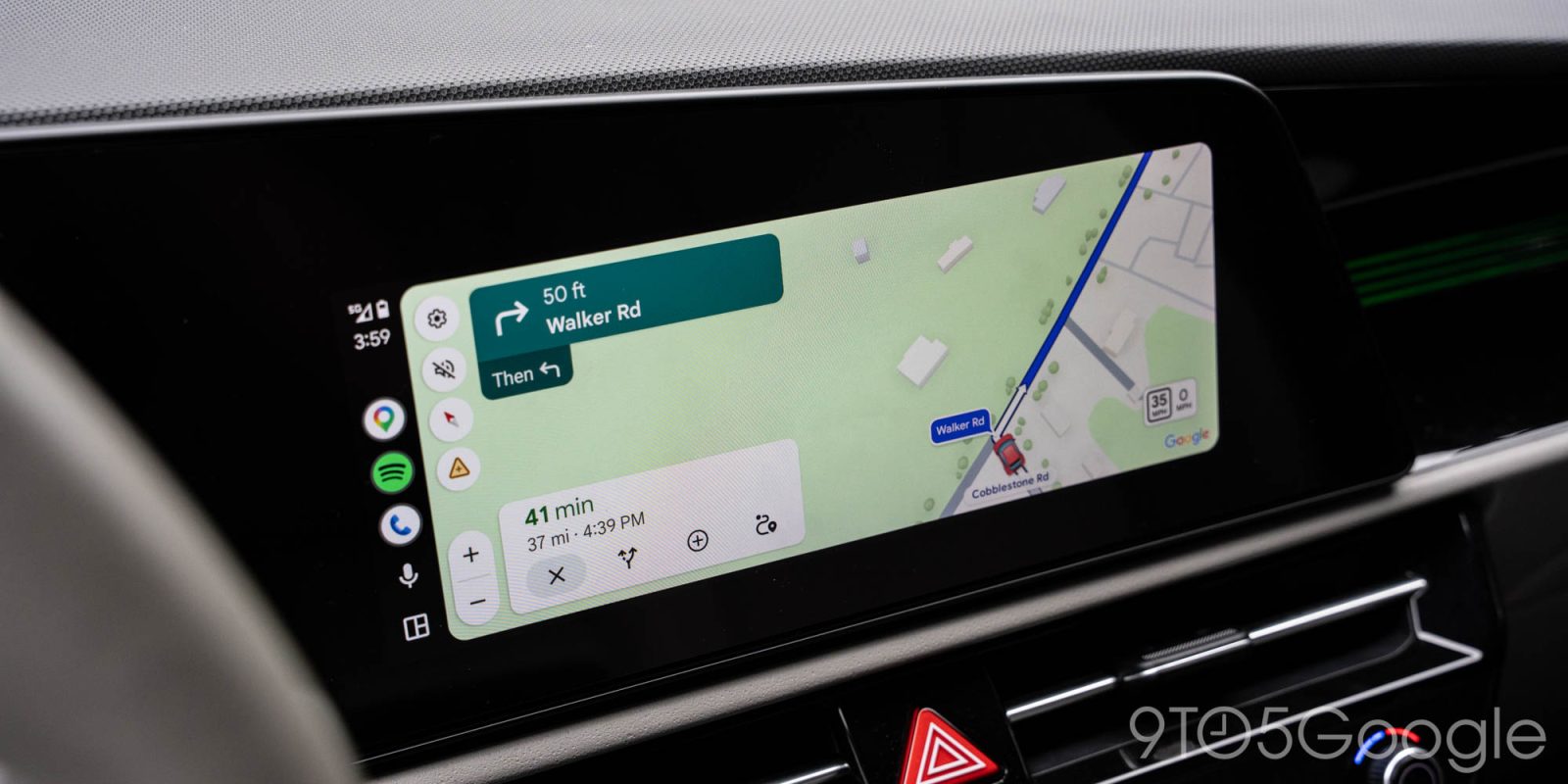
Over in Google Maps, Android 17 quietly expands Immersive View navigation to more landmarks and—finally—blesses Android Auto with a native speedometer. We’ve complained about the missing speed readout for years; third‑party apps could do it, but now the system‑level navigation interface keeps you legal without squinting at your car’s gauge. It’s a small addition, but one that removes the last excuse for running Waze just for a digital dial.
System‑level app updates are rolling out in parallel. Gboard picks up predictive text refinements that better handle multilingual switching. Google Meet gains face touch‑up controls and AI‑powered live transcription that doesn’t chew through battery. Snapseed gets a fresh Perspective tool with automatic horizon detection, and Google Photos now supports intelligent folder deduplication when you back up a mess of screenshots. None of these are earth‑shattering, but together they underscore that Android 17 isn’t just about the shiny new features—it’s about ironing out the thousand small pains that accumulate.
Frequently Asked Questions
What exactly is LHDC v5 and how does it compare to LDAC?
LHDC v5 is a high‑resolution wireless audio codec that supports 24‑bit/96kHz and adaptive bitrates up to 1 Mbps. Compared to Sony’s LDAC, it delivers similar sound quality but with typically lower latency and more reliable adaptive scaling. Its biggest advantage is native support on a broad range of Chinese OEM earbuds that previously couldn’t unlock hi‑res audio on Pixels.
Will my Pixel phone work with LHDC v5 after the Android 17 update?
Yes. Android 17 adds native LHDC v5 codec support directly into Pixel’s Bluetooth firmware. You still need headphones that support the codec—many models from Xiaomi, Oppo, Realme, and Huawei already do—but the OS handles pairing and codec negotiation automatically, no third‑party app required.
What other hidden audio features come with Android 17?
Beyond LHDC v5, Android 17 improves LE Audio handling, adds dynamic codec fallback that avoids dropping to SBC after brief disconnects, and introduces per‑app audio routing persistence. There’s also a revamped audio scheduler that reduces latency for gaming and video, making the entire Bluetooth pipeline more robust for power users.

DrShortCircuit
I've spent the last eight years deep in the digital trenches, from high-level SEO architecture to building custom PC rigs. State of Android is my corner of the web to break down the mobile ecosystem, cut through the marketing fluff, and look at the actual tech pushing the industry forward.


