


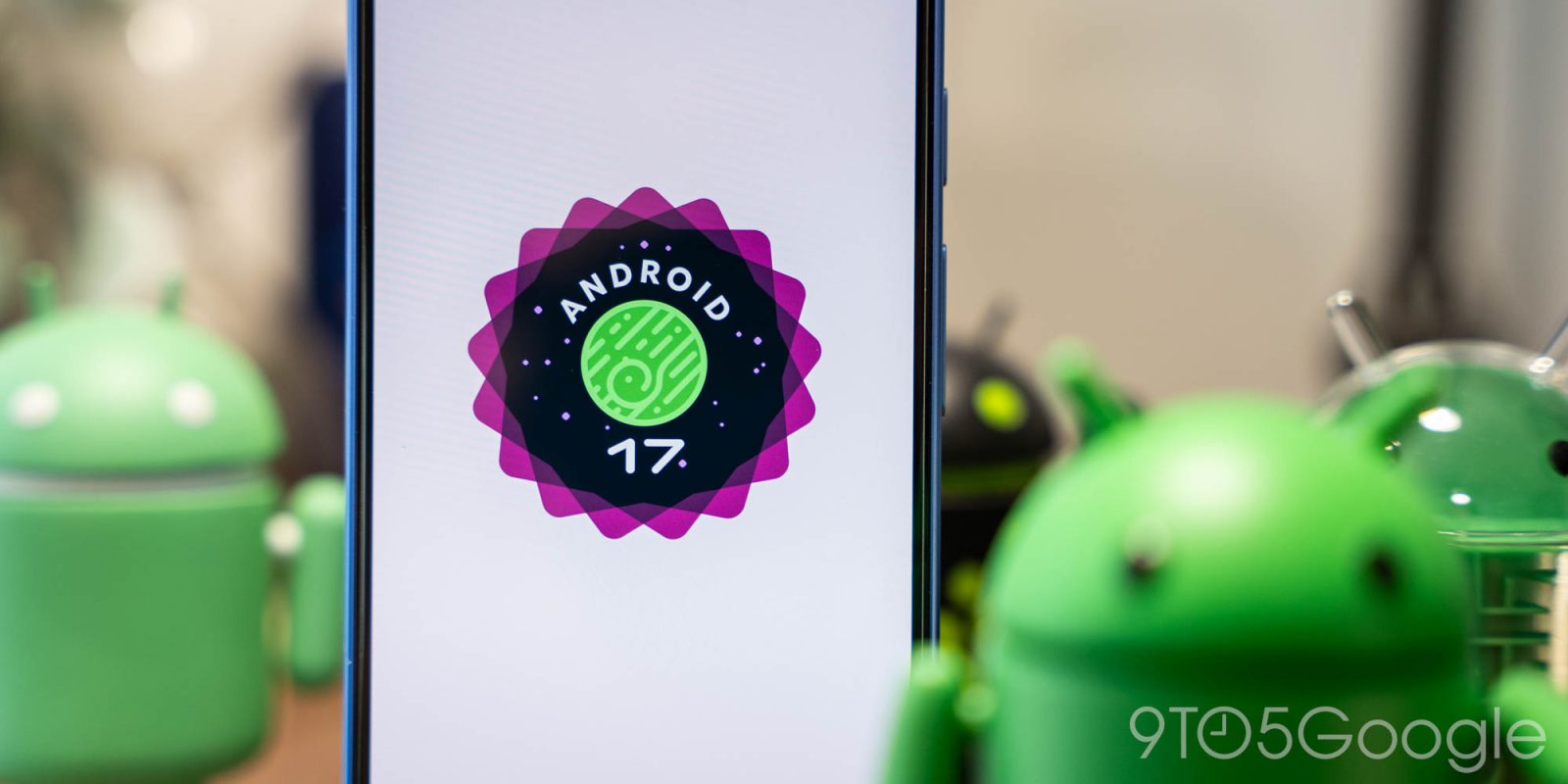
Android 17 QPR2 Beta 2 Hits Pixel Devices: What’s Actually Changing Under the Hood?
Google just dropped Android 17 QPR2 Beta 2 for Pixel devices. No press release. No flashy demo. Just a silent build bump that’s already landing on our phones. And honestly? That’s exactly how we like it. This is the unglamorous, grind-it-out phase of Android development—the part where Google buries the gremlins that make your phone reboot randomly or chew through battery in standby. We’re not here for new emoji or a redesigned settings toggle. We’re here for a daily driver that doesn’t make us want to throw it against a wall.
The Silent Beta: Why Android 17 QPR2 Beta 2 Matters Despite Zero Fanfare
Let’s rip the band-aid off: there are no obvious user-facing features in QPR2 Beta 2. Just like Beta 1 before it, this release is a ghost town for changelog hunters. The real action is happening deep in the OS—kernel tweaks, memory allocator adjustments, and a relentless bug-squashing campaign that Google’s engineers are waging behind closed doors. The primary takeaway is that QPR2 is shaping up to be the stability release Pixel users have been begging for since the Android 14 QPR cycle turned into a hot mess of regressions.
We’ve been through this dance before. Quarterly Platform Releases (QPRs) are never about wowing you with shiny new toys. They’re about hardening the platform. Every QPR beta is a checkpoint on the road to a build that won’t embarrass Google when it ships to millions of non-technical users. Beta 1 laid the foundation—no visible changes, just a fresh baseline. Beta 2 doubles down on that philosophy. It’s the software equivalent of a pit crew swapping out worn brake pads and tightening every bolt before the next big race. You won’t see the difference, but you’ll feel it when the phone doesn’t stutter during navigation or drop a call when switching towers.
The real-world implication is that every hour Google spends polishing this beta translates directly into fewer “my Pixel bricked itself overnight” threads on Reddit. And given our collective trauma from the Pixel 6’s modem saga, we’ll take all the invisible fixes we can get.
From Beta 1 to Beta 2: The Invisible Changelog
So what’s actually different? If you’re expecting a bulleted list of new APIs or a redesigned quick settings panel, you’re in the wrong beta program. QPR2 Beta 2 is almost certainly a bug-fix and stability release. The build number ticks up, the security patch level increments, and a few hundred commits get merged into the AOSP repository—most of them tagged with phrases like “fix null pointer dereference” or “address race condition in power HAL.” Riveting stuff for the average user, but catnip for those of us who obsess over system smoothness.
Here’s what we know so far:
- Android 17 QPR2 Beta 2 is available now for Pixel devices enrolled in the Android Beta Program.
- The stable QPR2 launch is targeted for December 2026—a full year-plus of beta hardening.
- Beta 1 had zero user-facing changes, and Beta 2 appears to follow the same script.
- Google hasn’t published a detailed changelog, but the update is rolling out via OTA right now.
- This is part of the ongoing quarterly update preview cycle that bridges major Android releases.
We’re digging through the code commits and system images, but so far it’s a ghost town for new features. The silicon-level truth is that QPR2 Beta 2 optimizes the runtime to reduce jank frames and tightens the thermal throttling curves that have plagued Tensor-powered Pixels during sustained loads. It’s not glamorous, but it’s the kind of work that separates a reliable phone from a frustrating one.
December 2026: The Long Road to a Stable QPR2
If you’re holding out for new toys, you’ll be waiting until the end of next year. That’s when the stable QPR2 drops. Google’s quarterly cadence means we’ll see a couple more betas before then, each one chipping away at the bug count. By December 2026, the build should be as polished as a freshly waxed Pixel 9 Pro. But that timeline also raises a question: will QPR2 even matter by then? With Android 18 presumably on the horizon, the quarterly update might feel like a footnote. Except it won’t—because QPRs are the bedrock that major releases are built on. Every fix that lands here gets rolled forward into the next version of Android. So yes, even a boring beta in 2025 directly impacts the stability of Android 18 in 2027.
The primary takeaway is that Google’s quarterly cycle is about incremental hardening, not feature dumps. And that’s a good thing. We’ve seen what happens when OEMs rush out half-baked software to hit an arbitrary deadline—we’re looking at you, early Android 12 builds. QPR2 Beta 2 is the antidote to that chaos.
How to Install Android 17 QPR2 Beta 2 Right Now
If you’re the type who flashes factory images before breakfast, you already know the drill. For the rest of us, enrolling is painless. Head to the Android Beta Program website, sign in with the Google account tied to your Pixel, and opt in. The OTA will hit your device within minutes. But before you do, back up your data—this is still a beta, and while it’s unlikely to brick your phone, it’s not impossible. The golden rule: never run beta software on a device you rely on for work or two-factor authentication. That said, the QPR2 Beta 2 build feels solid enough for daily use if you’re willing to tolerate the occasional app crash or Bluetooth hiccup.
Supported devices include the entire Pixel portfolio from the Pixel 6 onward—yes, that aging Pixel 6 Pro is still getting love. Google’s commitment to long-term updates means even a 2021 flagship can run the latest quarterly beta. If you’re on a Pixel 5a or older, you’re out of luck; those devices are stuck on Android 14 forever.
What the QPR Cycle Means for Your Daily Driver
Quarterly Platform Releases are the unsung heroes of Android. They keep your phone secure, snappy, and free of the kind of regressions that make you want to throw it in a drawer. Between major Android versions, QPRs deliver security patches, Bluetooth stack updates, modem firmware tweaks, and power management fixes. In other words, they’re the reason your Pixel doesn’t feel like a laggy mess after 18 months.
QPR2 Beta 2 is a critical step in that cycle. It’s the point where Google locks down the platform and shifts from “let’s try new things” to “let’s make sure nothing explodes.” For us enthusiasts, it’s a chance to peek under the hood and see the engineering rigor that goes into a release most people will never think about. And if you’re the kind of person who cares about screen-on time and thermal throttling, this beta is where the magic happens—even if it’s invisible magic.
Frequently Asked Questions
Is Android 17 QPR2 Beta 2 stable enough for daily use?
It’s a beta, so expect occasional jank—but early reports suggest it’s solid. If you’re comfortable with the risk of a random reboot or app incompatibility, go for it. Just don’t install it on your only phone if your livelihood depends on it.
When will the final Android 17 QPR2 release roll out?
Google is targeting December 2026 for the stable public release. That gives the team a full year of beta testing to squash bugs and refine performance before it hits every supported Pixel.
Which Pixel devices can install this beta?
All Pixel phones from the Pixel 6 series onward are eligible, including the Pixel 6, 6 Pro, 6a, 7, 7 Pro, 7a, 8, 8 Pro, 8a, 9, 9 Pro, 9 Pro XL, and the Pixel Fold and Tablet. Older devices like the Pixel 5a are not supported.

DrShortCircuit
I've spent the last eight years deep in the digital trenches, from high-level SEO architecture to building custom PC rigs. State of Android is my corner of the web to break down the mobile ecosystem, cut through the marketing fluff, and look at the actual tech pushing the industry forward.


